





How to dress for the Arctic Winter in Alaska
What to Wear in Alaska in Winter: The Iditarod & Northern Lights Packing Guide
Thursday 05 November 2026
The question we hear most before an Iditarod tour or a Northern Lights trip is always the same: what do I wear? Here is the complete answer, from boots to hat, with the insider tricks our guides use themselves.
ARCTIC PACKING GUIDE · IDITAROD & WINTER TOURS
Nobody remembers the exact temperature. They remember whether they were warm. Pack well and you will spend your Alaska winter watching dog teams and aurora, not counting the minutes until the bus.
Winter in Alaska is serious, but it is also completely manageable. People from Texas, Singapore and Spain all do it comfortably every year. The difference between a great trip and a miserable one is almost never the weather. It is the clothes. This guide covers what to wear for the Aurora Borealis, the Chena Hot Springs nights, winter drives and activities and the dog-race days themselves.
The Short Version
No cotton next to skin
It holds sweat and turns cold. Wool or synthetic only.
Three layers
Wicking base, warm middle, windproof outer shell.
Mittens beat gloves
Fingers share heat. Add a thin liner glove for the camera.
Boots come first
If you only upgrade one thing, make it your boots.
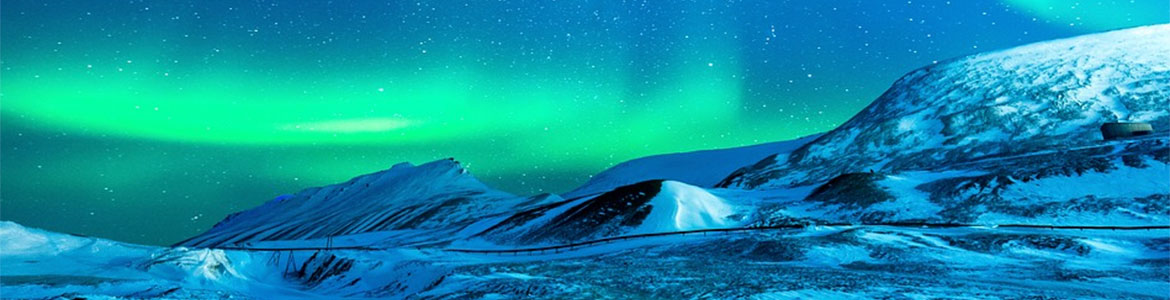
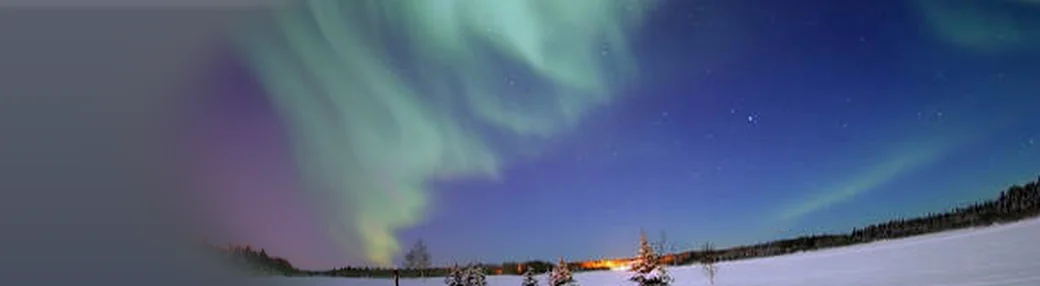
Northern Lights above the Alyeska Pipeline. Nights like this reward good boots.
What Alaska Winter Really Feels Like
Alaska has more than one winter. The Interior around Fairbanks is the coldest place on our tours: January averages hover around -10°F, nights regularly drop to -20°F, and a proper cold snap can push below -40°F. Anchorage and Willow are milder, with winter days typically somewhere between the teens and low 30s°F depending on the month. By early March, when the Iditarod starts, days are gaining light quickly, but mornings and evenings are still properly cold.
Two things matter more than the number on the thermometer:
Standing still is the real test
Most of your time outdoors is spent watching, waiting and photographing. Without movement your body makes little heat, so a jacket that feels fine on a walk will fail at a start line or aurora spot.
Wind beats temperature
Dry Alaskan cold is surprisingly forgiving when it is calm. Add wind, on a frozen lake or on a snowmobile, and the same day feels brutal. Windproof outer layers matter more than extra thickness.
What to Expect, Situation by Situation
| Situation | Typical conditions | How to dress |
|---|---|---|
| Iditarod ceremonial start, Anchorage | Early March. Often around 20 to 35°F, possible sun, hours of standing along the route. | Base layer, fleece, insulated parka, insulated boots, sunglasses. |
| Iditarod restart, Willow area | Usually colder than Anchorage, with open frozen terrain and wind. In low-snow years the restart has been moved. | Everything above, plus insulated pants, mittens and a face cover. |
| Aurora night, Fairbanks or Chena | December to March. Commonly -20 to 10°F, calm and clear, standing for hours. | Full kit: heavy parka, insulated pants, -40°F boots, mittens, hand warmers. |
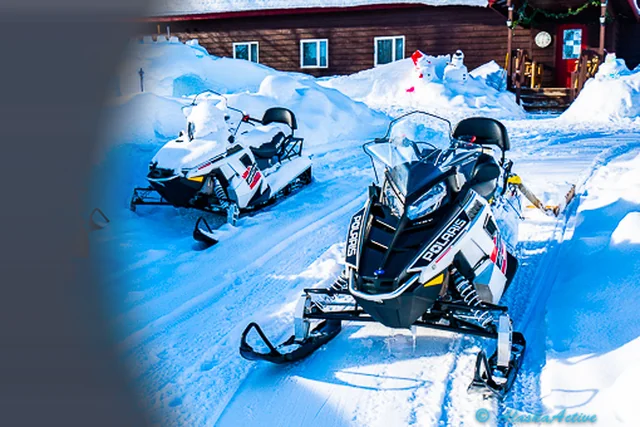
| Dog sledding or snowmobile | You create your own wind. Wind chill can be far below the air temperature. | Windproof shell, balaclava, goggles. Many operators supply outerwear, so ask. |
| Chena Hot Springs | Hot water, freezing air. The walk between pool and changing room is the cold part. | Swimsuit, warm hat in the water, quick-dry towel, warm boots left ready. |
| Town, restaurants, museums | Overheated buildings, icy sidewalks. | Removable layers and strap-on ice cleats. |
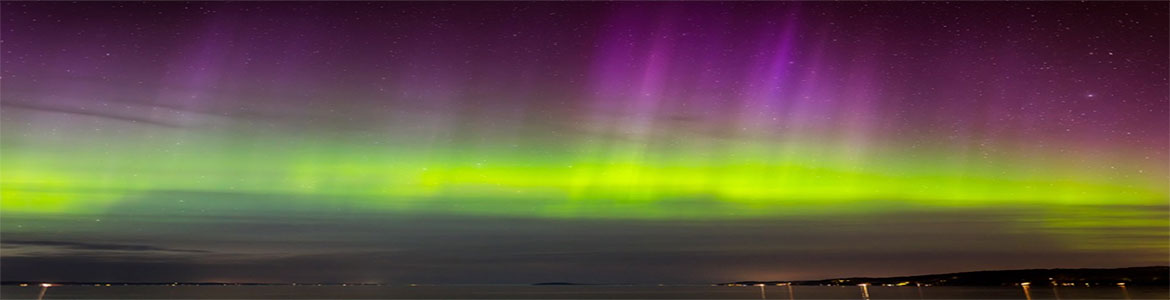
Out of town, away from the city lights, is where the sky comes alive.
The Three-Layer System
Every experienced Alaskan dresses the same way. Three layers, each with one job, and you can add or remove them as conditions change.
Base layer
moves moisture away
Snug, thin top and bottoms in merino wool or synthetic fiber. For Fairbanks nights choose midweight. Affordable synthetic sets such as Uniqlo Heattech work well as a base in the city, but add a warmer middle layer for the Interior.
Insulation
keeps the heat in
Fleece or a puffy jacket or vest. Down is the warmest for its weight but loses power when wet. Synthetic insulation handles damp better. Thicker is better for standing still.
Outer shell
blocks the wind
A windproof, hip-length or longer parka with a hood. A fur or faux-fur ruff around the hood breaks the wind and keeps your breath away from your face. Fjallraven Yupik-style parkas are a classic, and an 850-fill goose-down jacket is a lighter option.
A good rule when you set out: start slightly cool. If you are comfortable in the hotel lobby, you will overheat within minutes outside, and sweat is what makes you cold later.
Head to Toe: Exactly What to Pack
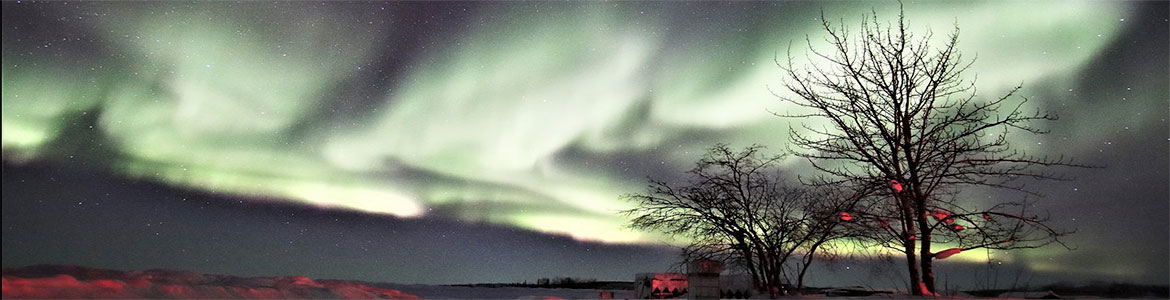
Heartbeats and Northern Lights: dress for standing still.
Iditarod Days: Insider Notes
Plan for hours of standing
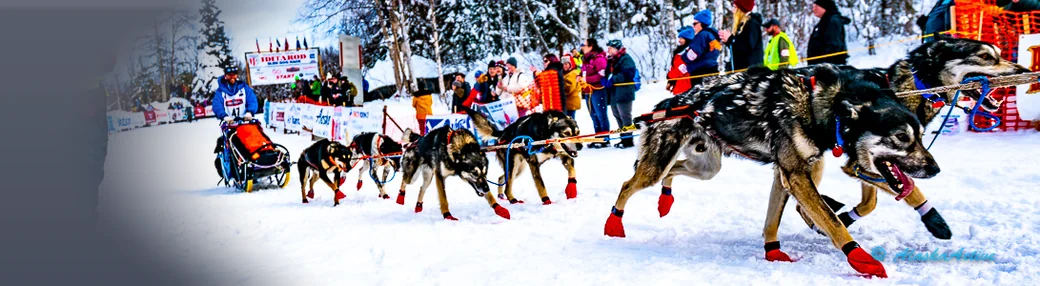
Race starts are long, social and slow. Choose your spot, bring a seat pad and a thermos, and dress for being stationary, not for hiking.
Respect the dogs
Sled dogs are excited athletes. Always ask a handler before approaching, keep clear of the trail and never feed them.
Small planes, small bags
Flights to checkpoints and remote lodges usually have strict baggage limits. Pack in soft duffels and ask us for the allowance before you fly.
Short days, long nights
Early March gives roughly ten to eleven hours of daylight, growing fast. Bring a headlamp with a red-light setting for dark mornings and evenings.
Cameras, Phones and Batteries
Batteries die fast
Cold drains lithium batteries quickly. Keep spares in an inside pocket against your body and swap them when the camera slows down.
Beat condensation
When you go indoors, leave the camera in its closed bag for an hour or two, or seal it in a plastic bag outside, so moisture forms on the bag and not on the lens.
Keep the phone warm
Phones shut down in the cold. Carry yours inside your jacket and use a power bank kept in the same pocket.
Use a remote or timer
A tripod with a remote shutter or timer means you can keep your mittens on while the exposure runs.
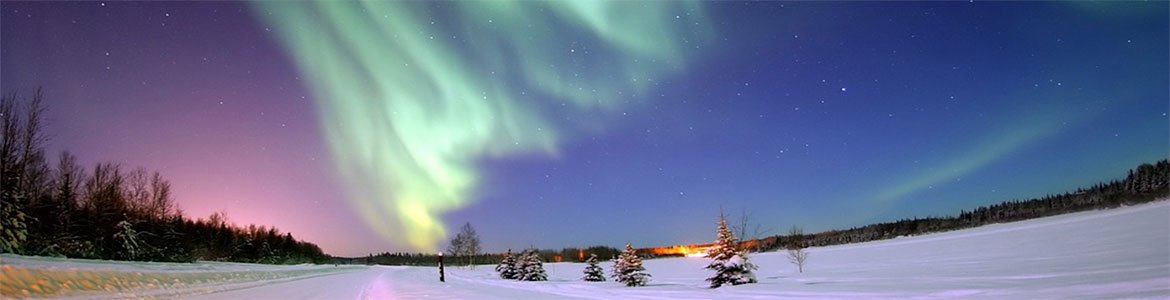
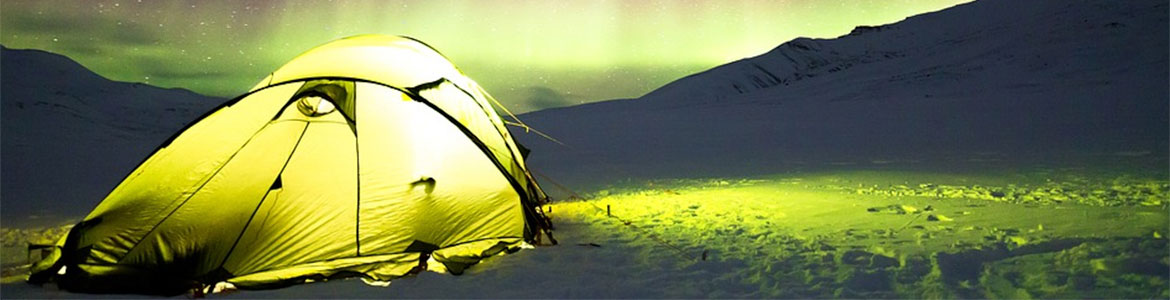
Chase the lights, embrace the night.
The Packing Checklist
Wear on the plane
☐Winter boots
☐Warm hat and gloves
☐Parka, or carry it on
☐Why: if your bag is delayed, the key items are with you
Carry-on bag
☐Base layers and mid-layer
☐Spare socks
☐Camera, batteries, chargers
☐Medication and documents
Checked bag
☐Insulated pants
☐Extra socks and liner gloves
☐Hand and toe warmers (10 or more)
☐Ice cleats, gaiters, spare hat
Daypack
☐Thermos and snacks
☐Sunglasses and lip balm
☐Headlamp with red light
☐Spare gloves and gaiter
Where to Spend and Where to Save
Spend on
Boots, mittens and base layers. These decide whether you are comfortable, and you will use them again.
Rent or borrow
Parkas and insulated pants. Depending on your package, outerwear may be available to borrow or rent. Ask us before you buy something you will use for a week.
Save on
Hats, gaiters, socks and hand warmers. Inexpensive versions work fine.
Do's and Don'ts
Do
+Test your gear at home before you go.
+Start slightly cool and add layers.
+Eat well and keep a warm drink handy.
+Dry boots, liners and gloves every night.
+Tell your guide early if you are getting cold.
Don't
×Wear cotton next to your skin.
×Squeeze into tight boots.
×Rely on alcohol to warm up. It makes you lose heat faster.
×Ignore numb fingers or toes.
×Touch very cold bare metal with wet skin.
Frequently Asked Questions
What is the single most important item?
Boots. Cold travels upward from the ground, and warm feet make everything else more comfortable. Choose insulated boots rated to -40°F with removable liners.
Can I just wear my ski clothes?
Largely yes. A ski jacket and insulated pants with merino base layers are fine for Anchorage and Willow. For aurora nights in Fairbanks, add a thicker middle layer, warmer boots and mittens.
How cold will it be on my tour?
It depends on region and month. Fairbanks is the coldest. Check the forecast a week before departure, and pack for the colder end of the range.
Do I really need special underwear?
Yes. Merino wool or synthetic base layers move moisture away from your skin. Cotton holds it and makes you colder.
Can I rent winter clothing?
Often, yes, but it depends on your tour and package. Ask us before you buy anything expensive.
What about children?
Children cool down faster and may not tell you. Layer them well and check hands, feet and cheeks often.
Can I wear contact lenses in the cold?
Most people can, but dry air irritates eyes. Bring glasses as a backup and lubricating drops.
Not sure what is in your suitcase?
Send us your packing list and your travel dates. We will tell you what to bring, what to leave at home and what you can borrow once you arrive.
See you under the northern lights, with a hot drink in a warm mitten.
